October 2, 2026
In residential real estate, strategic exterior improvements are a proven way to increase property value. Among these projects, installing a new fence can significantly influence prospective buyers and appraisers alike. A quality fence balances aesthetic charm, privacy, and security with strong financial returns. Understanding these factors helps homeowners make informed decisions about their property investments.
The Importance of Curb Appeal
A new fence creates an immediate first impression. Because curb appeal sets the tone for a property, perimeter fencing often acts as the defining visual frame of a home's exterior landscape. A well-designed fence neatens boundaries and highlights landscaping. Conversely, an aged or leaning structure signals deferred maintenance and deters prospective buyers. Partnering with professional fence contractors ensures the final installation enhances the home's primary exterior features.
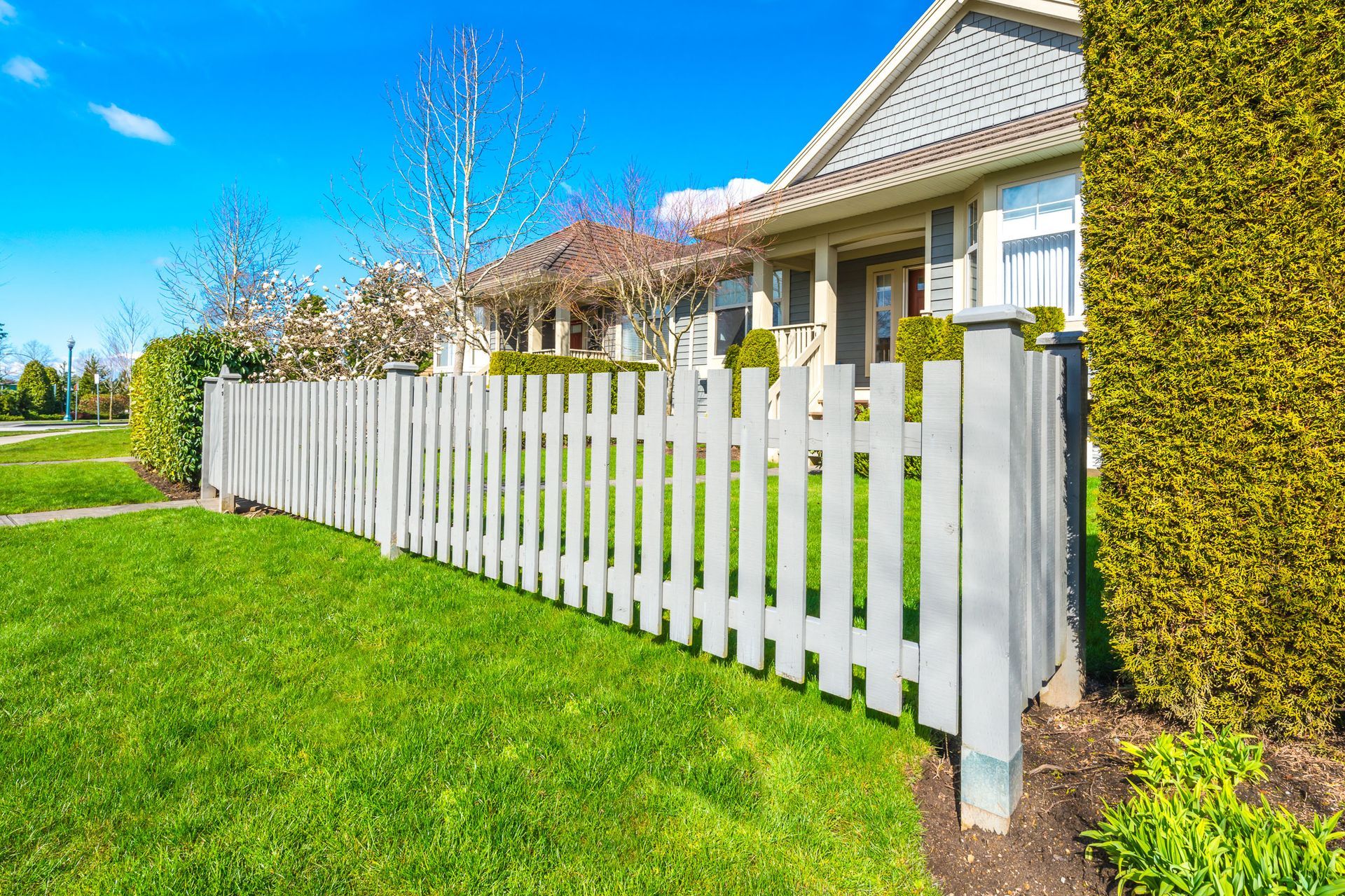
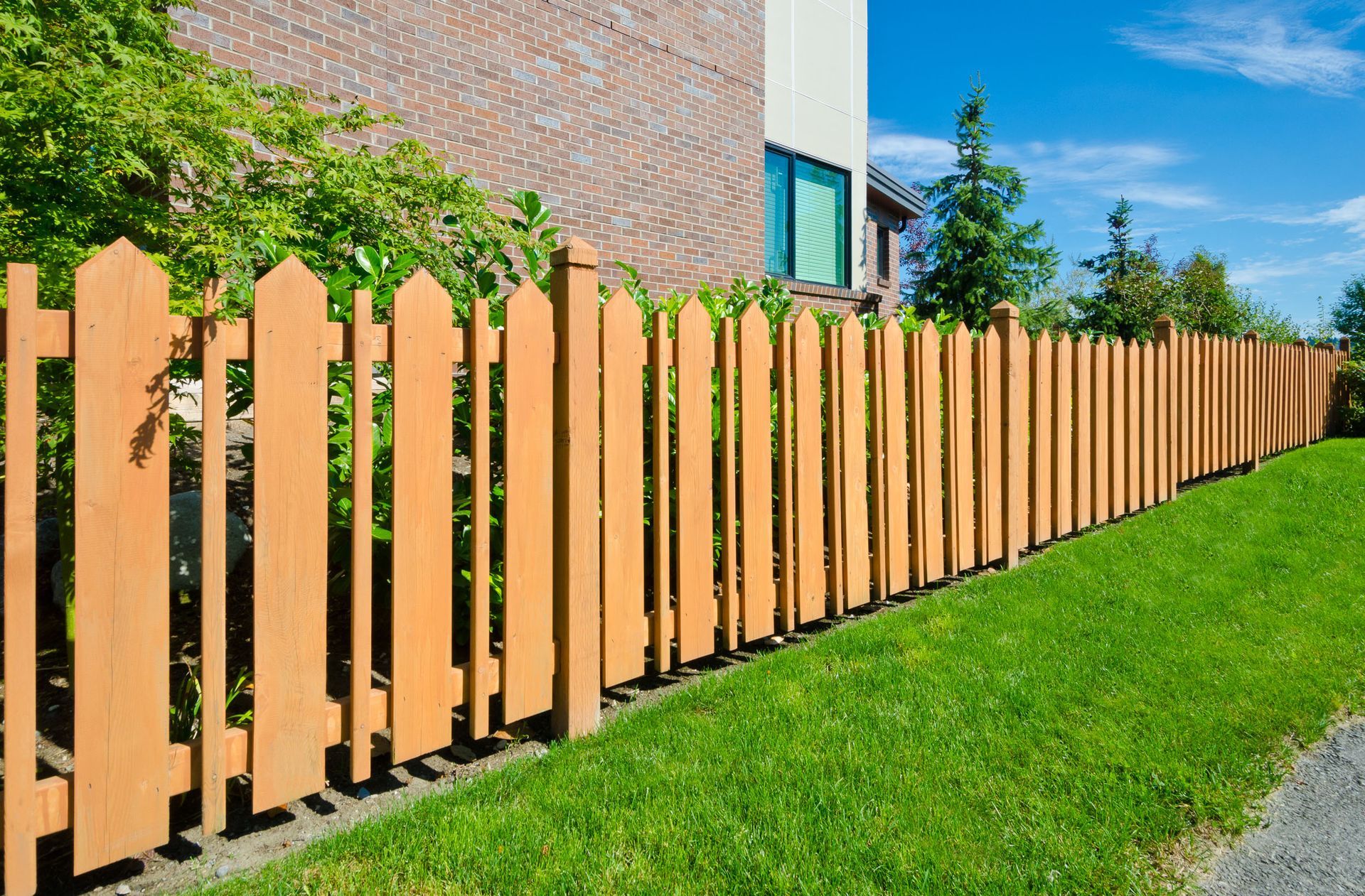
Design harmony is equally vital. Classic picket fences pair naturally with quaint cottages or traditional architecture, while vertical cedar slats complement craftsman or modern farmhouse styles. Dark aluminum and composite materials suit contemporary builds, whereas decorative wrought iron fits historic or Mediterranean residences. Every architectural design demands a specific visual boundary to complete its exterior silhouette.
Material selection directly impacts both structural longevity and market perception. Low-maintenance choices like vinyl, powder-coated aluminum, and wood-plastic composites offer high weather resistance. According to Grand View Research, the U.S. fencing market size is projected to reach USD 14.90 billion by 2033. This consistent industry growth reflects an increasing consumer demand for premium, long-lasting residential fencing. Choosing top-tier building supplies installed by qualified fence contractors directly elevates the perceived and appraised value of a residence.
Integrating fencing with soft landscaping maximizes visual appeal. Planting dense hedges, ornamental trees, or climbing vines along the boundary line softens hard structural edges and creates a cohesive garden environment. Additionally, aligning fence choices with neighborhood norms prevents visual mismatches while ensuring compliance with local covenants, conditions, and restrictions.
Homeowners who take the time to evaluate neighborhood context often achieve superior resale results. A fence that stands out too drastically from surrounding properties can create visual dissonance, which may alienate potential buyers. By researching the prevailing material choices and height allowances in the local subdivision, property owners can select a design that seamlessly integrates into the established streetscape while still offering distinct personal appeal.
Consulting with professional installers early in the planning phase helps mitigate potential design missteps. Experienced technicians can evaluate lot lines, slope variations, and soil conditions to recommend structural solutions that enhance overall curb appeal. Ultimately, a clean and thoughtfully integrated perimeter barrier serves as a powerful visual anchor that elevates the marketability of the entire property.
Privacy and Security Benefits
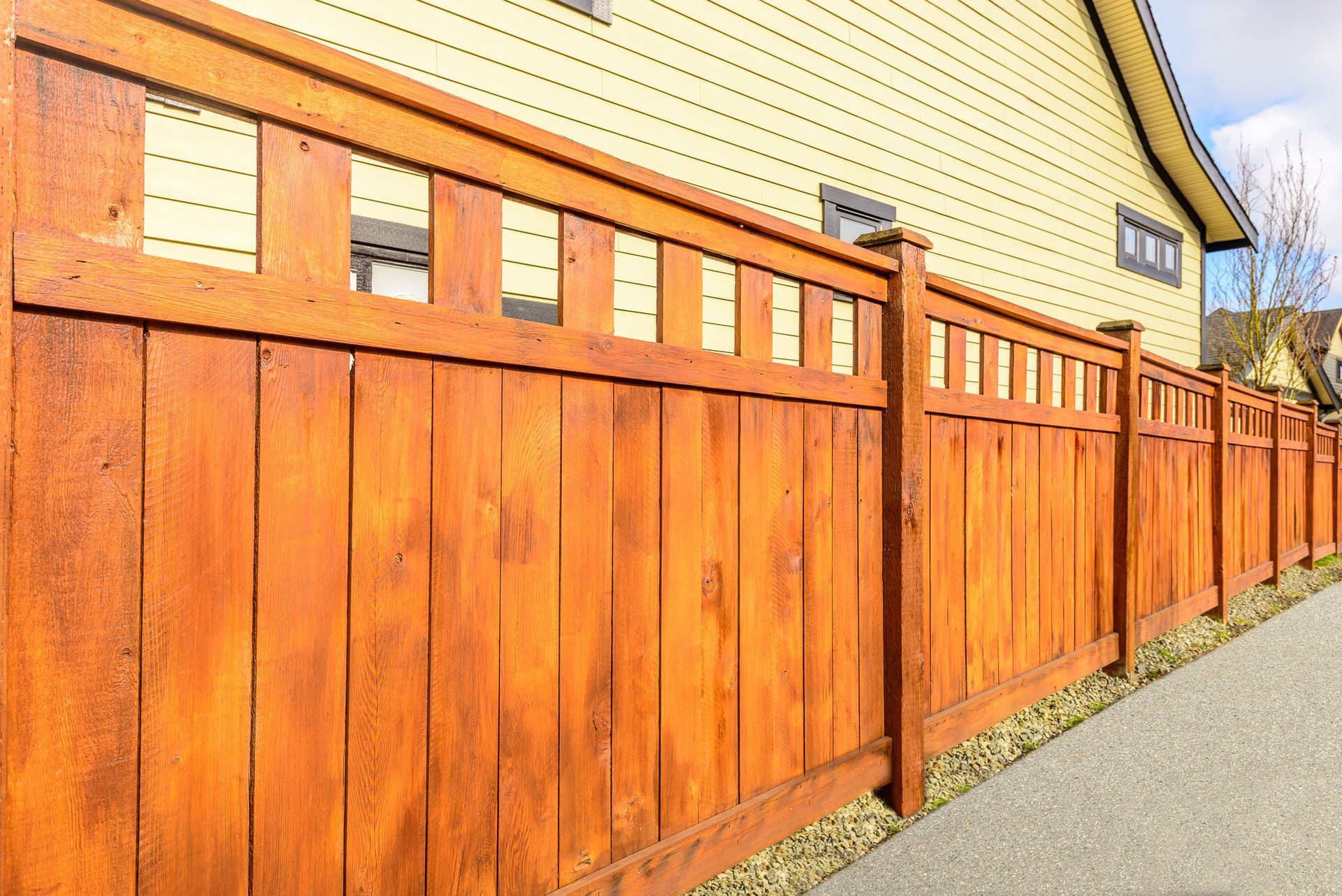
Personal privacy remains a top priority for homebuyers. A solid perimeter fence provides a physical visual shield from foot traffic and neighboring properties, transforming an open yard into an intimate personal sanctuary. Board-on-board wood and tongue-and-groove vinyl offer complete visual screening, while lattice-top designs balance privacy with airflow and sunlight. Additionally, solid, high-density fences act as acoustic barriers along busy roads, deflecting traffic noise and creating a quieter backyard environment.
Perimeter fencing with secure locking gates deters unauthorized access, offering peace of mind to families, pet owners, and single professionals. Clearly marked property lines eliminate border disputes with neighbors, providing clear documentation during real estate survey checks and appraisals.
For households with domestic animals, an enclosed yard is often a mandatory requirement. Experienced fence contractors can integrate pet-friendly modifications, such as reinforced bottom rails, to prevent animals from escaping. Real estate agents frequently highlight fully fenced yards as high-value amenities that command higher offer prices from active buyer demographics.
In dense suburban environments, creating a secluded retreat is one of the most effective ways to differentiate a listing. Homeowners looking for maximum privacy often favor taller solid-panel designs that completely block direct sightlines from adjoining second-story windows or adjacent patios. Combining structural barriers with strategically placed arborvitae or bamboo can create a multi-layered green screen that enhances natural beauty while maintaining complete isolation.
Safety concerns extend beyond keeping uninvited guests out; they also encompass creating a safe environment inside the perimeter. Families with young children prioritize enclosed yards to ensure a controlled space for outdoor play. Fences constructed around residential swimming pools are also subject to strict local safety codes, making a compliant, self-latching fence a non-negotiable feature for pool owners during real estate transactions.
Furthermore, defining exact property boundaries helps maintain harmonious relationships with neighbors over time. Clear structural boundaries prevent accidental encroachment from landscaping projects, outbuildings, or garden beds. Having a permanent, professionally installed fence in place gives incoming buyers total confidence regarding the true square footage and boundaries of their usable outdoor space.
Investment vs. Return
Calculating the financial return on a new fence involves balancing initial installation costs against long-term equity gains and market liquidity. Pressure-treated wood offers a moderate upfront cost with higher maintenance demands over a ten to fifteen year lifespan. Cedar provides higher natural resistance and strong resale appeal. Vinyl, aluminum, steel, and composite materials carry higher initial investments, but their extreme durability and minimal maintenance requirements deliver premium market appeal.
Upfront expenses vary based on linear footage, soil conditions, terrain, and custom features. While fencing rarely yields a full dollar-for-dollar recovery at closing, it offers a strong partial return while accelerating the overall sales timeline. Homes with attractive, durable fencing stand out in competitive housing markets, reducing buyer hesitation over immediate post-purchase projects.
Beyond equity, a new fence expands usable living area by converting an underutilized lawn into an outdoor room for dining, gardening, and entertaining. Working with licensed fence contractors ensures proper post-anchoring, precise gate alignment, and code compliance, guaranteeing the structure remains an asset rather than a liability.
When evaluating potential return on investment, property owners should also factor in ongoing maintenance costs. Wood fencing requires periodic staining, sealing, or painting to prevent rot and moisture damage, which can add up over time. In contrast, composite and vinyl barriers require minimal upkeep beyond occasional washing, making them highly attractive to modern, busy buyers who want to avoid heavy weekend maintenance chores.
Financial returns are often realized faster in competitive seller's markets where move-in ready features carry a premium. A home with a newly installed, pristine fence allows buyers to cross off a major exterior renovation item from their post-closing list. This convenience factor frequently translates into stronger, cleaner offers with fewer contingencies during negotiations.
Appraisers also recognize the functional and aesthetic value of quality perimeter fencing when determining total property valuations. By comparing nearby closed sales that feature similar exterior upgrades, appraisers can assign tangible dollar values to well-built fences, directly supporting higher appraisal values during mortgage underwriting.
Investing in skilled labor rather than taking a DIY approach ensures that structural posts are buried below the local frost line and anchored solidly in concrete. Improperly installed fences can warp, lean, or rot prematurely, turning a potential asset into a financial liability that detracts from property value. Professional installation guarantees structural integrity that stands up to severe weather conditions for years to come.
A new fence is a multi-faceted home improvement project that delivers strong returns in curb appeal, privacy, boundary security, and overall marketability. Selecting low-maintenance materials and designs that complement your home's architecture guarantees immediate lifestyle benefits alongside lasting property value.
When you are ready to enhance your home's security, privacy, and curb appeal with a custom-built fence, turn to trusted professionals who deliver unmatched craftsmanship. Contact Precision Fence Co. Inc today to schedule a comprehensive consultation and transform your property with a beautiful, durable fence tailored specifically to your needs.